Manufacturing
One maker for stone, wood and metal.
MOREONYX makes furniture for brands that would rather specify it than make it. A piece is drawn, the block is approved before it is cut, and the finished piece is checked against the drawing before it is crated. The size of the order changes none of that.
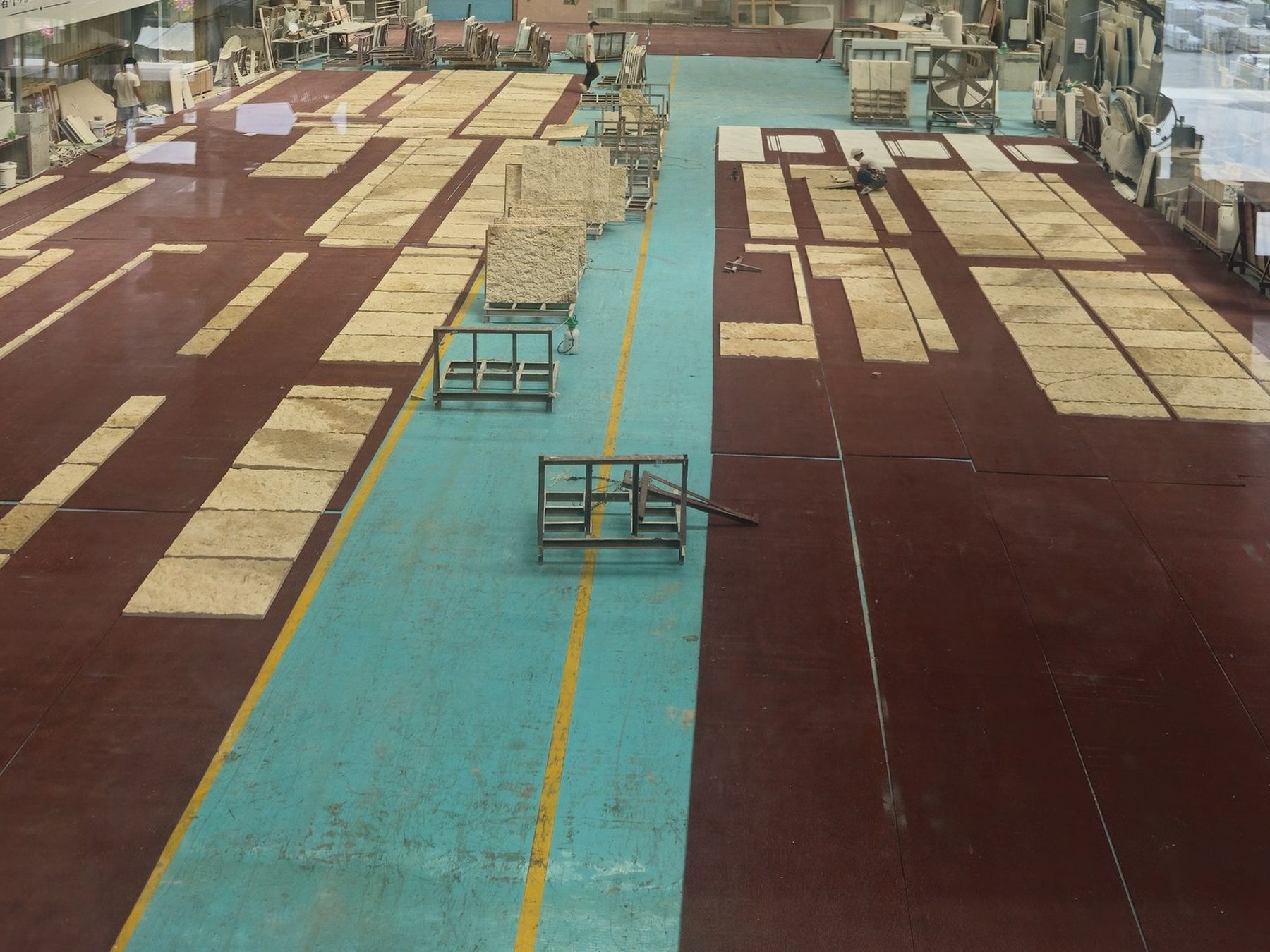
Scale
A hotel project and a single coffee table are the same job at different sizes.
What grows with a project is the number of pieces, the depth of the packing and the number of people on site. What does not grow is the drawing, the approval of the actual block, or the inspection before the crate is closed.
A project
A piece schedule for a hotel, a villa or a restaurant. One drawing set and one reference block for the whole scheme, so the lobby and the guest rooms are cut from the same stone and finished the same way.
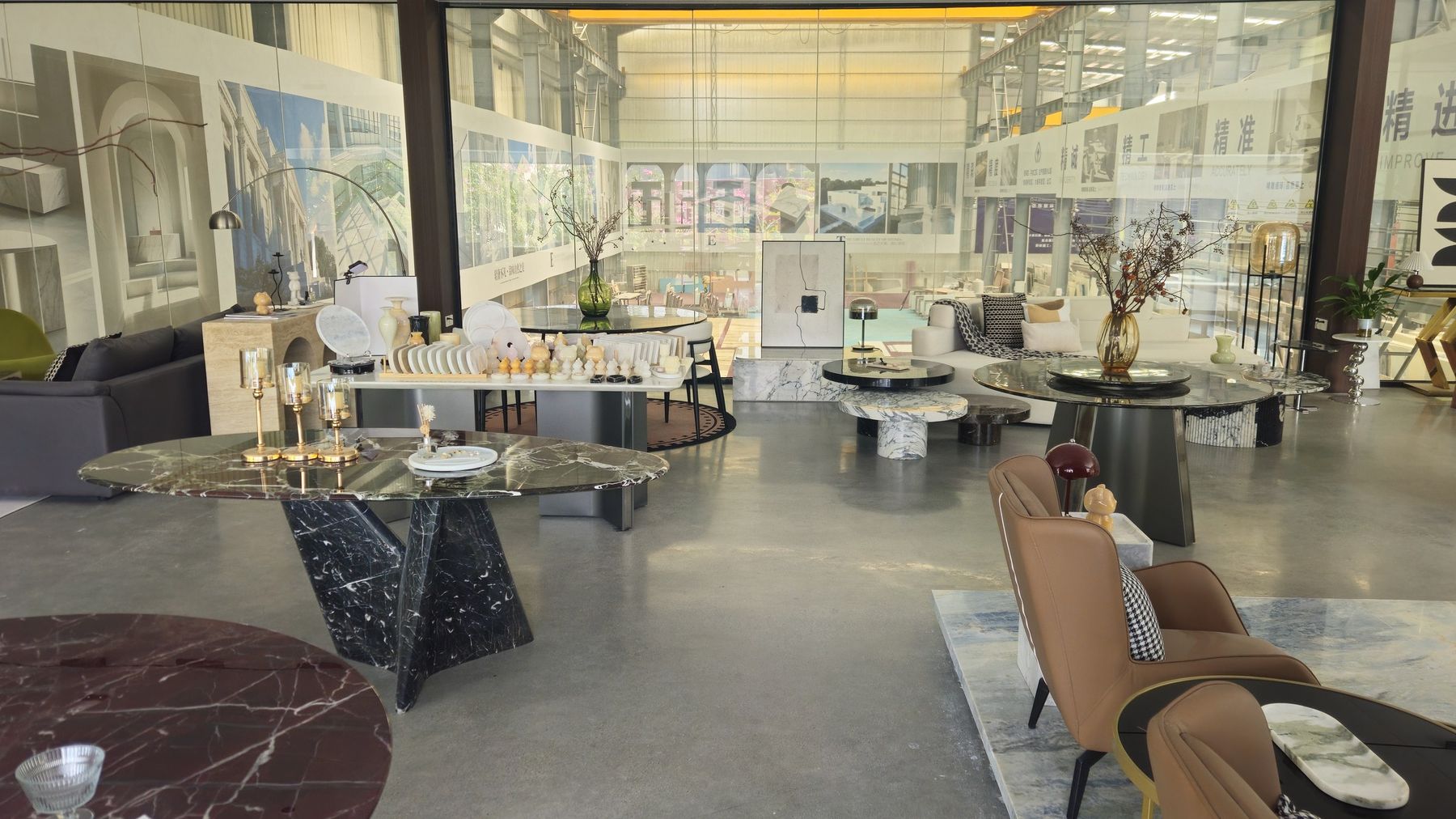
One piece
One coffee table, taken through the same process: a drawing to approve, a photograph of the actual block, a finished piece checked and photographed before it is packed.
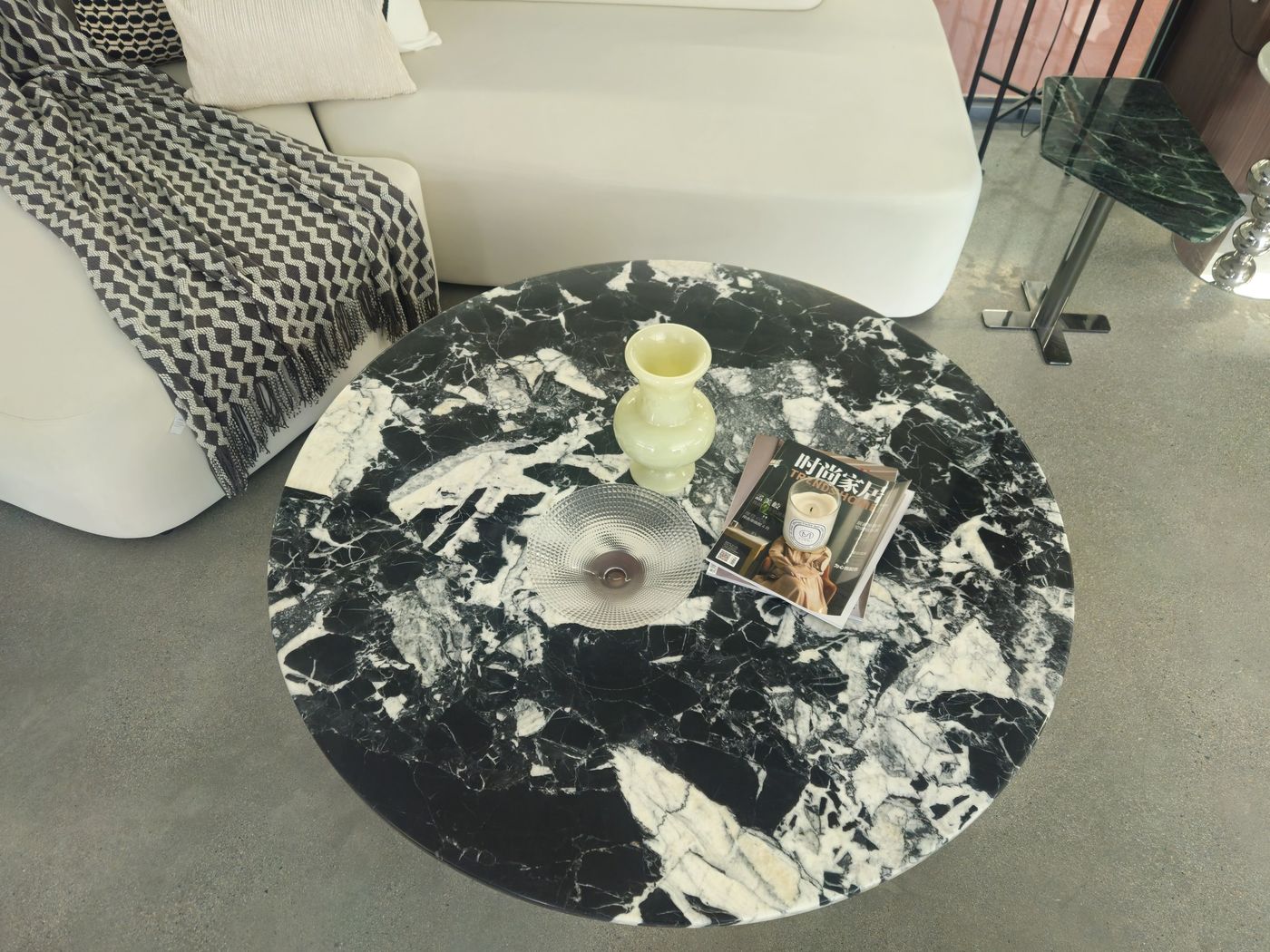
Three materials
Stone, wood and metal, under one order.
Most workshops do one of the three and buy the other two in. That is where a project goes wrong: the stone arrives on one schedule, the frame on another, and the joint between them is settled on site by whoever is standing there. We cut the stone, machine the timber and fabricate the metal, so the joint is decided on the drawing before anything is made.
Stone
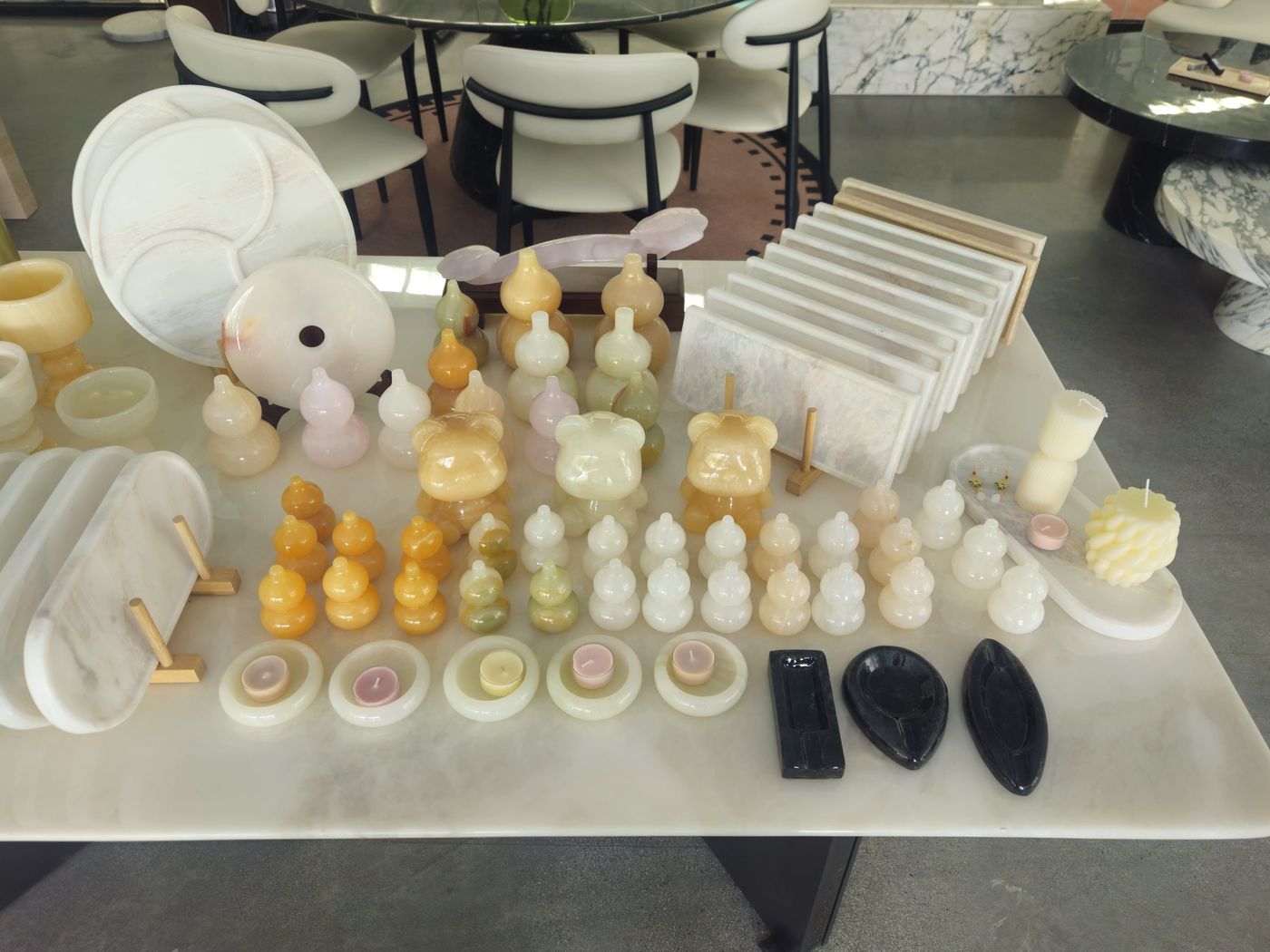
Cut from blocks, not assembled from tiles.
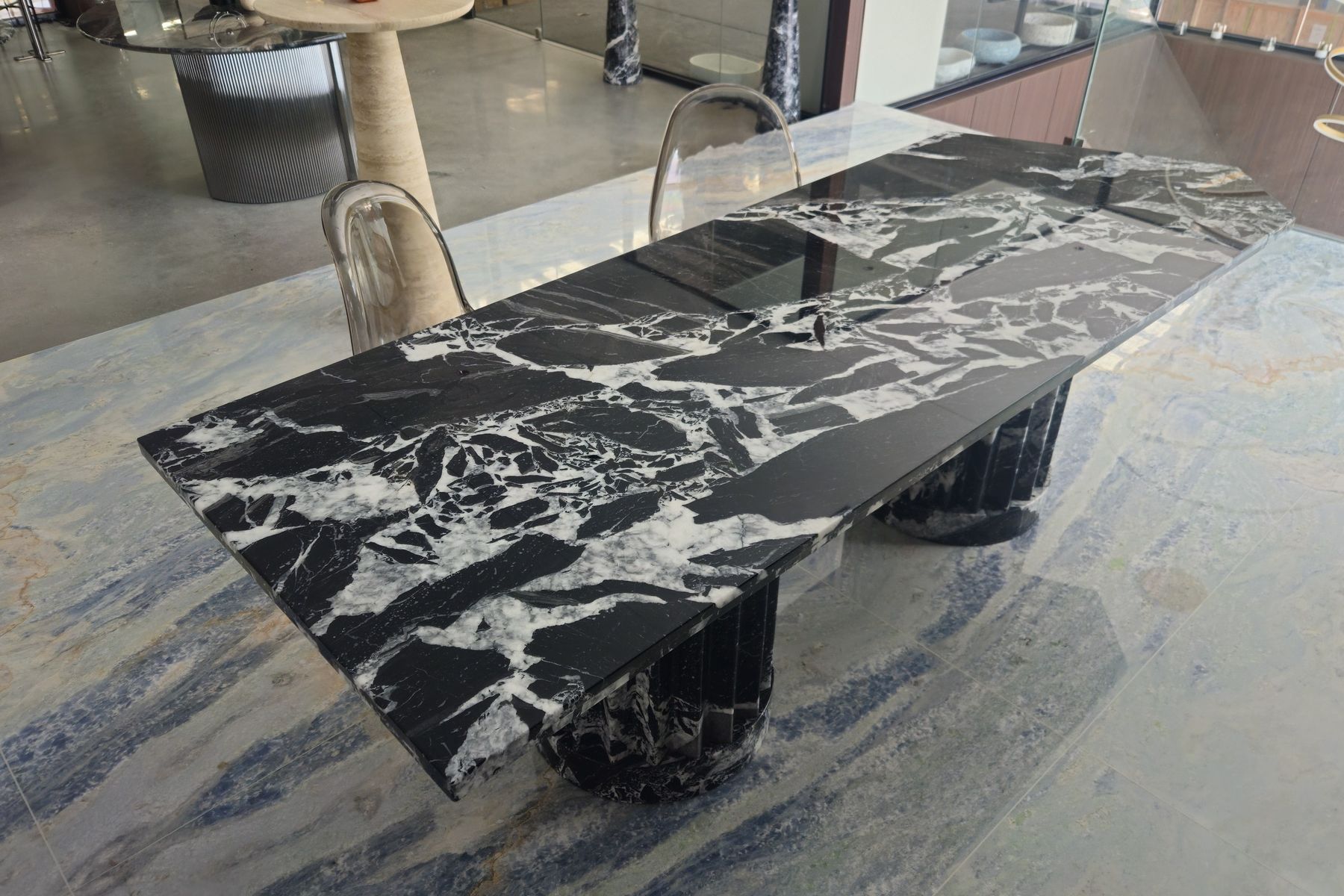
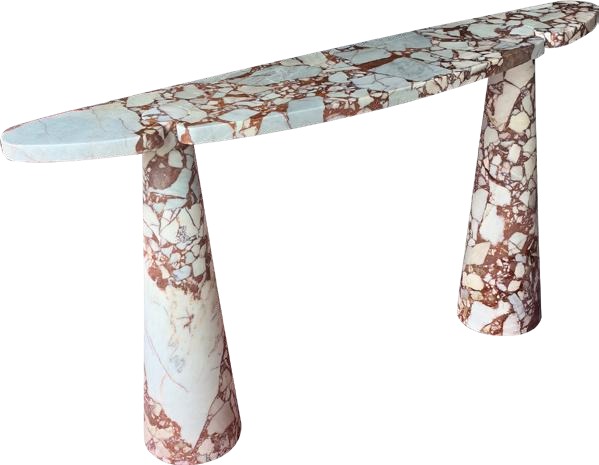
A top is taken from one block, so the veining runs continuously across the surface and out through the edges; where a design calls for a bookmatched pair, two adjacent slabs are opened and mirrored. Tops are hollowed, squared, polished and finished underneath as well as on top. The stone is cut in Shuitou, Guangdong.
Timber
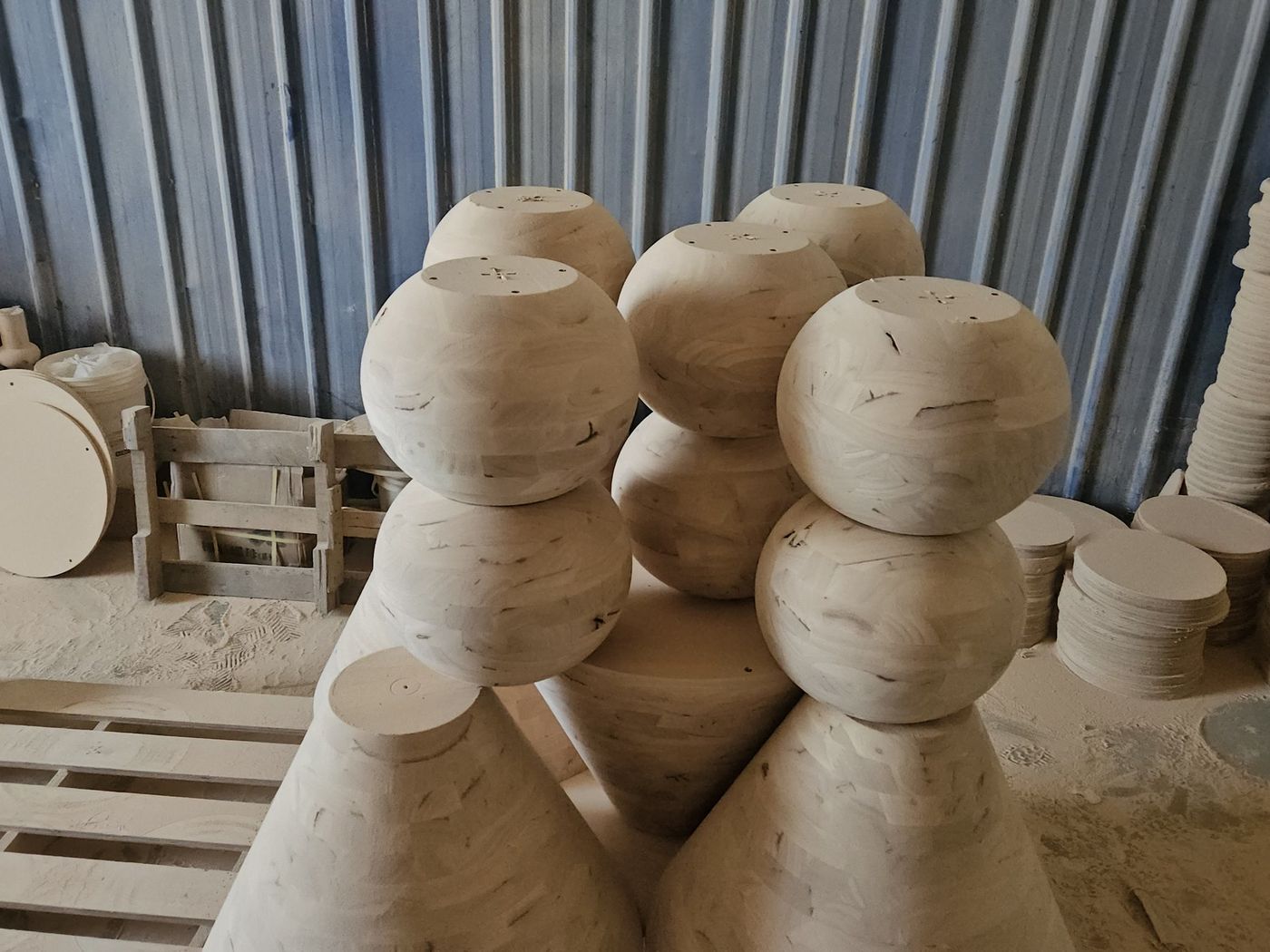
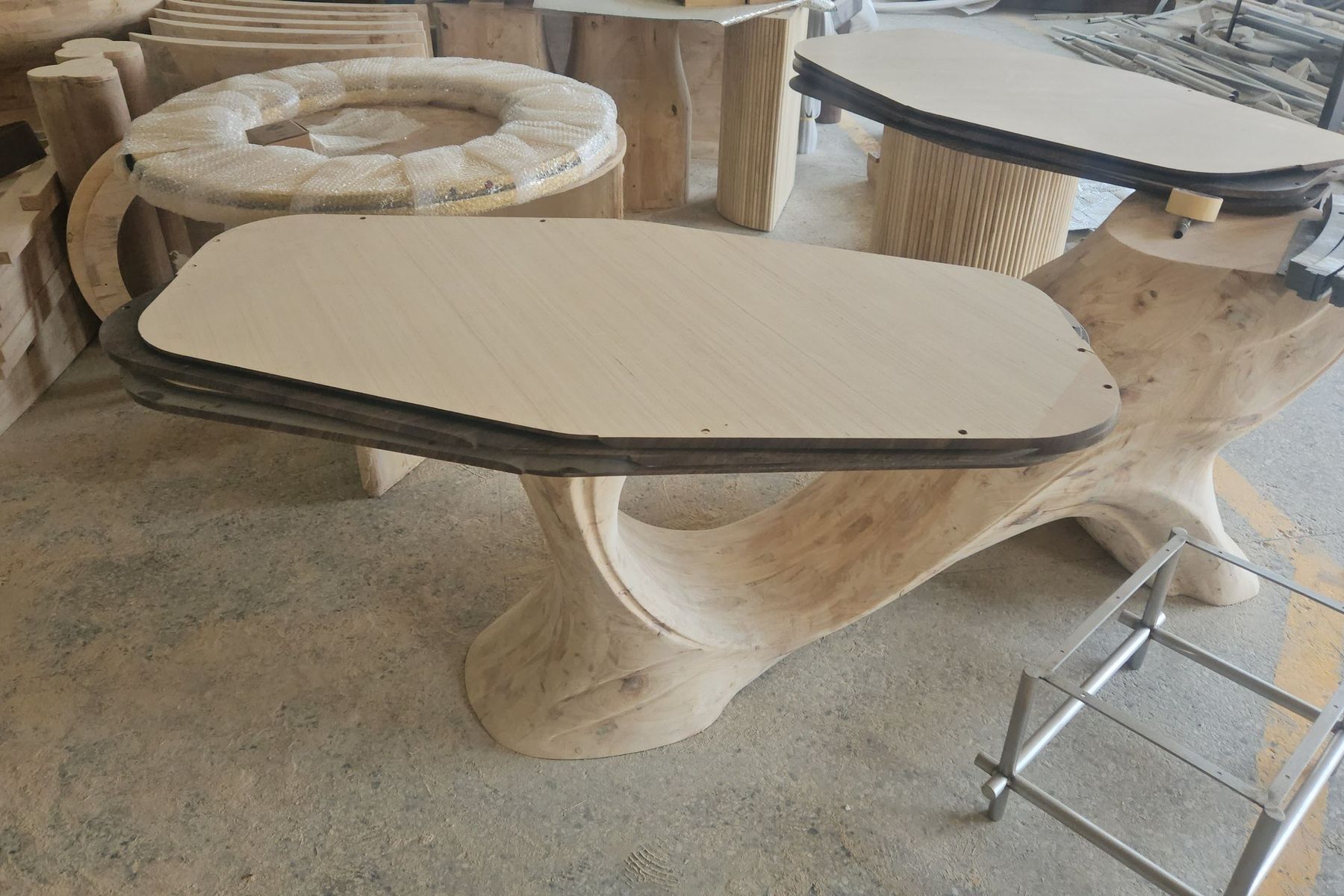
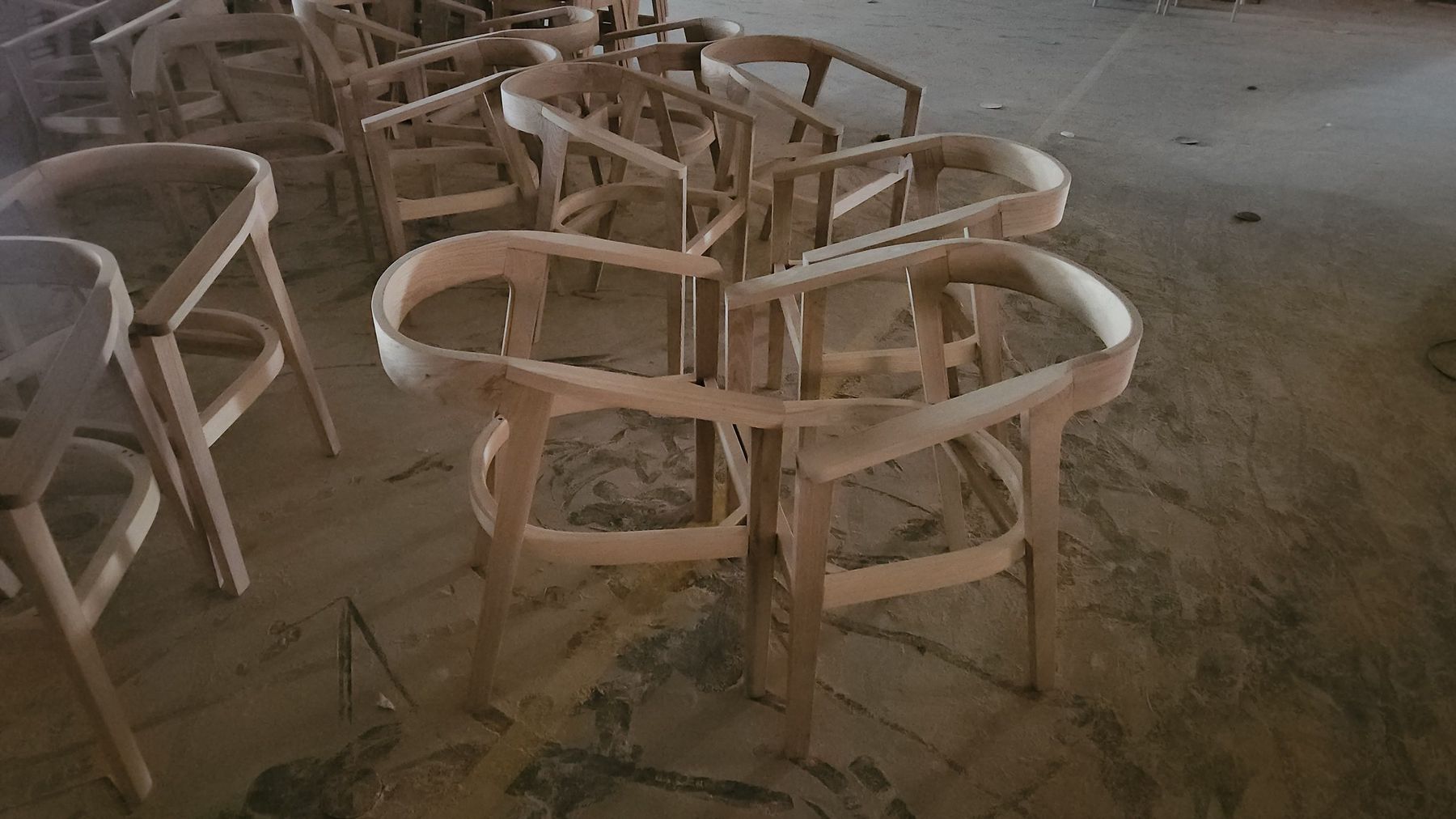
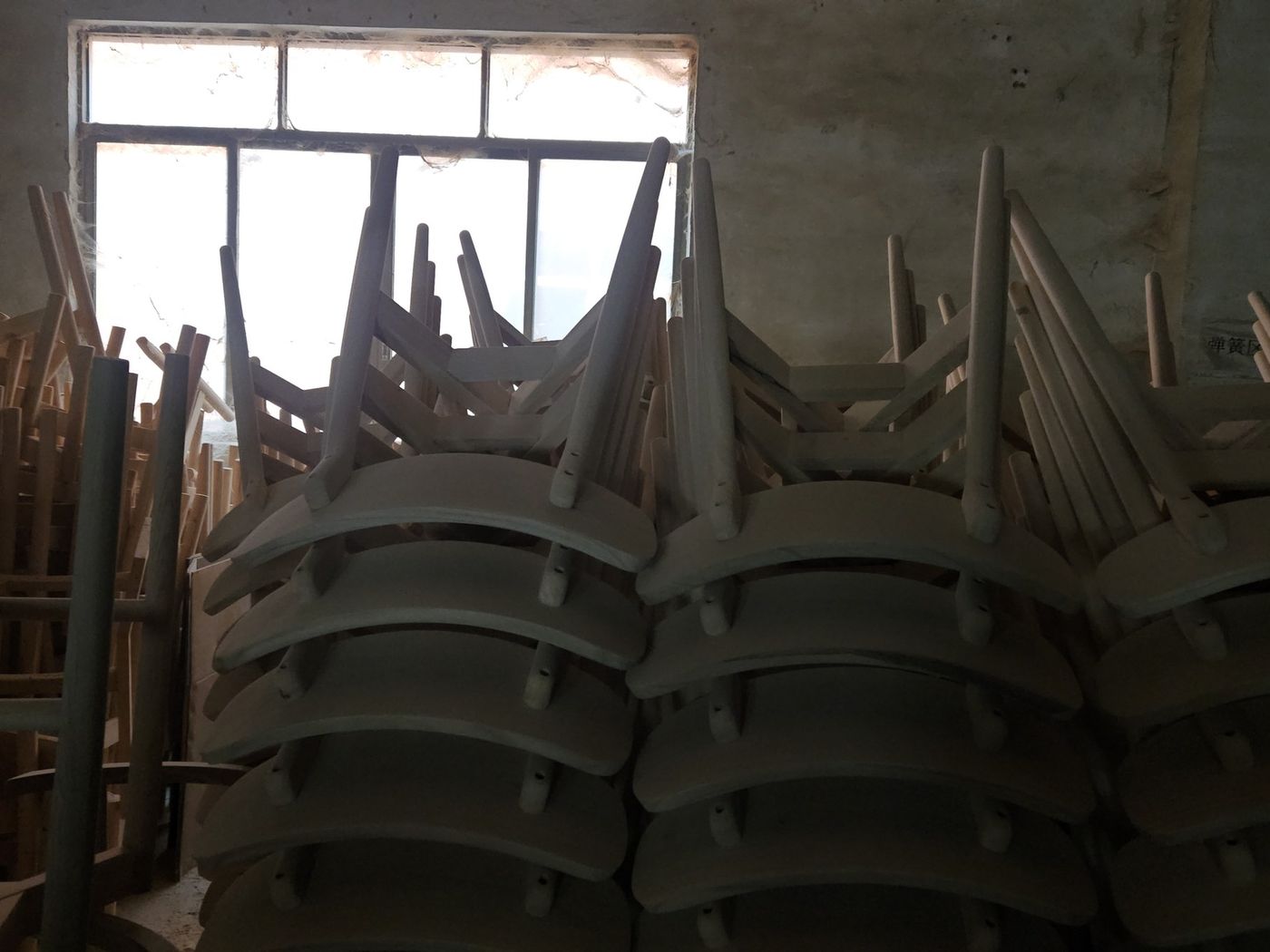
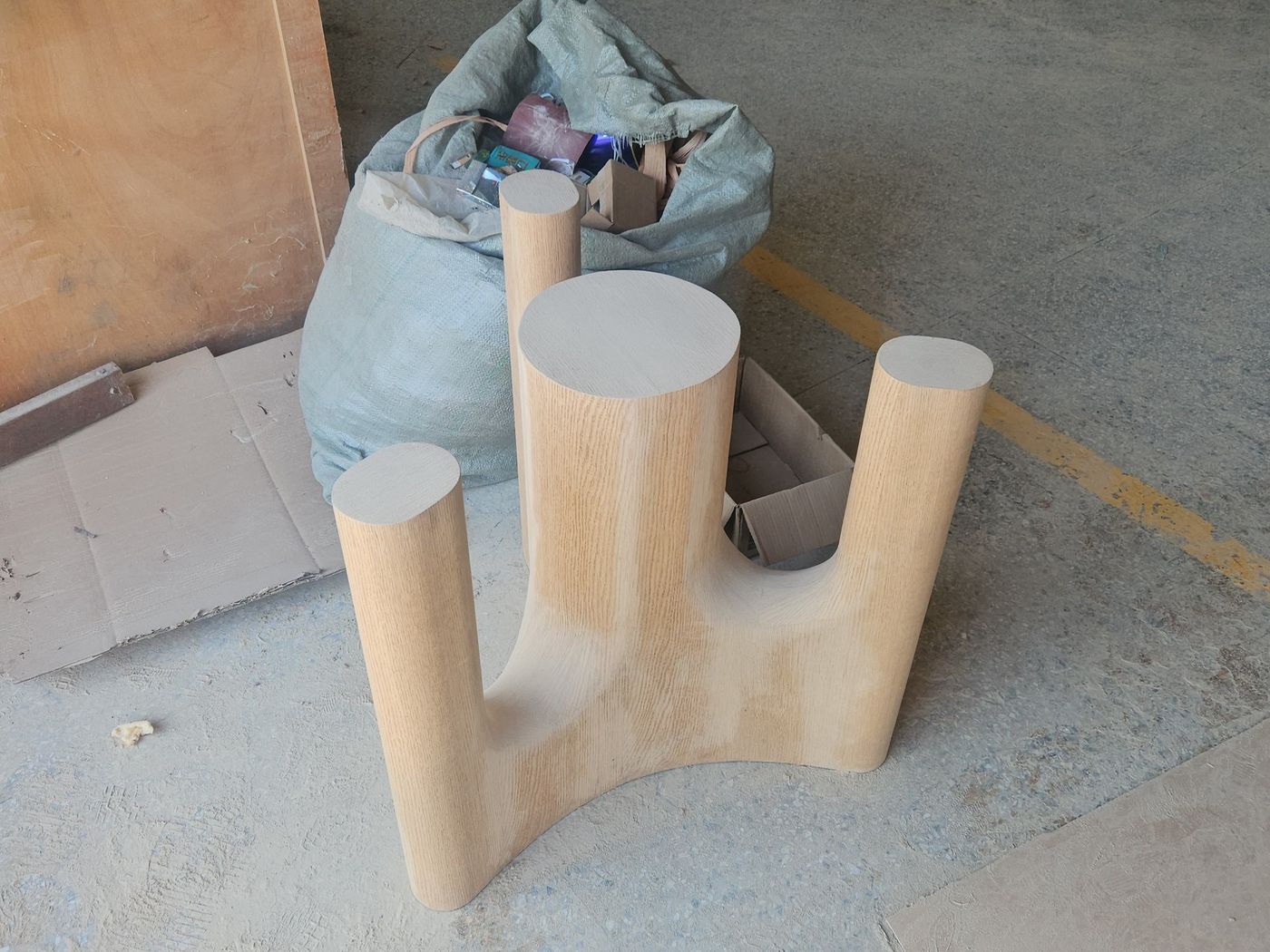
Frames, tops and carcasses, machined from a drawing.
Solid timber is turned, milled and profiled on the CNC; sheet and veneer are cut on the machine and edge-finished by hand where the drawing asks for it. Timber is checked board by board before it is cut, because a fault found at the wrong moment is a fault that reaches the client.
Metal
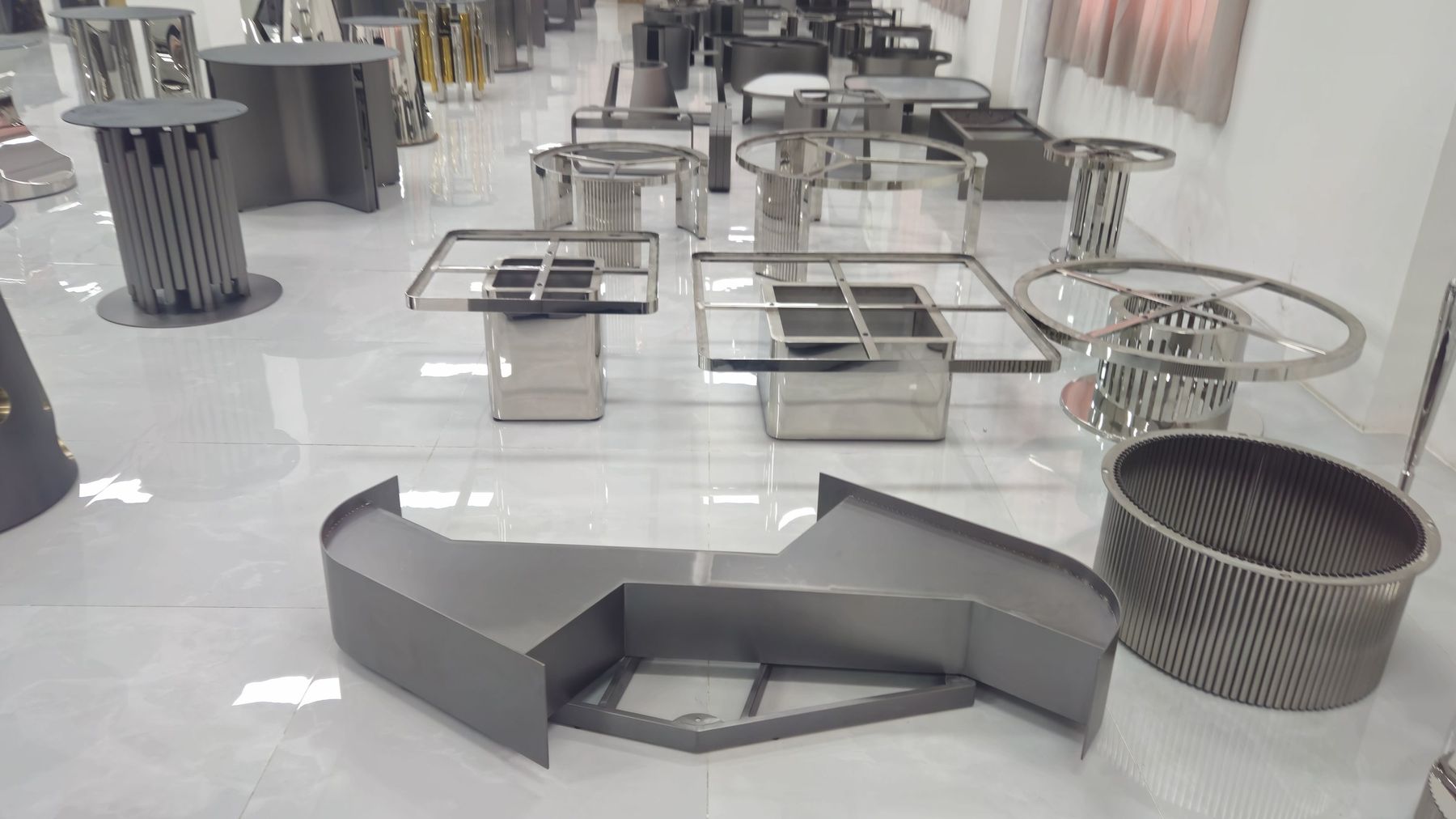
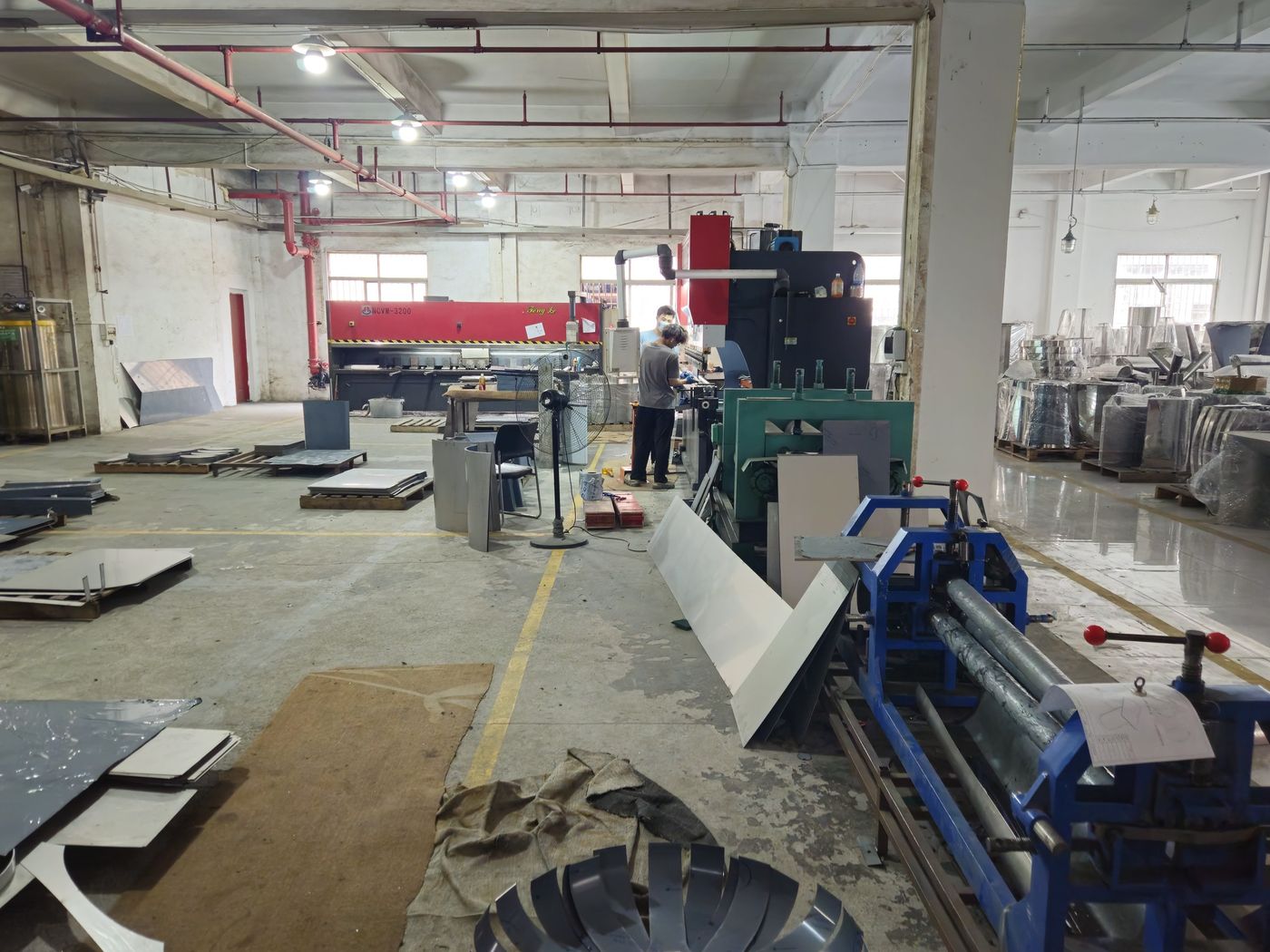
Bases, frames and fixings, finished to the surface you specify.
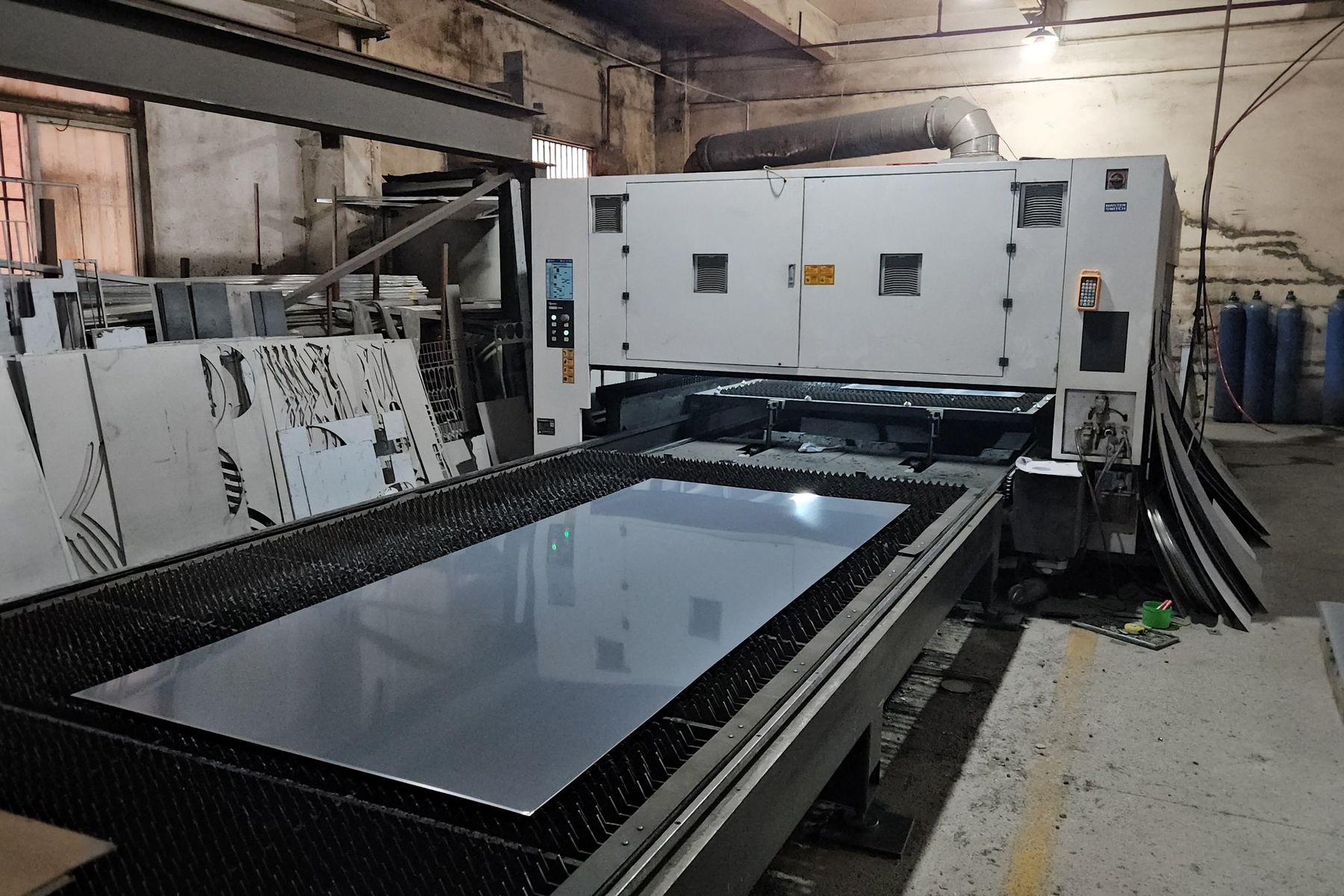
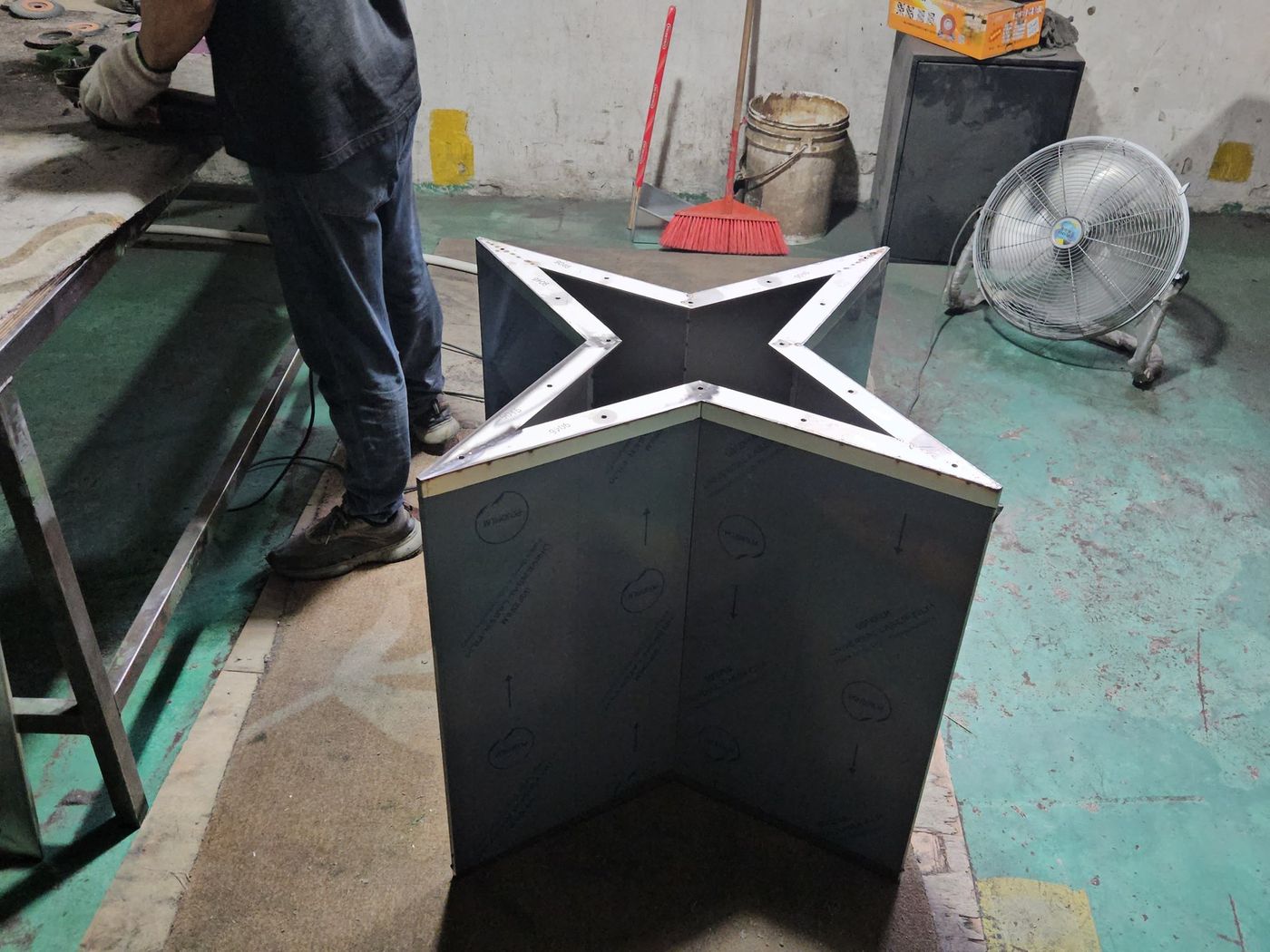
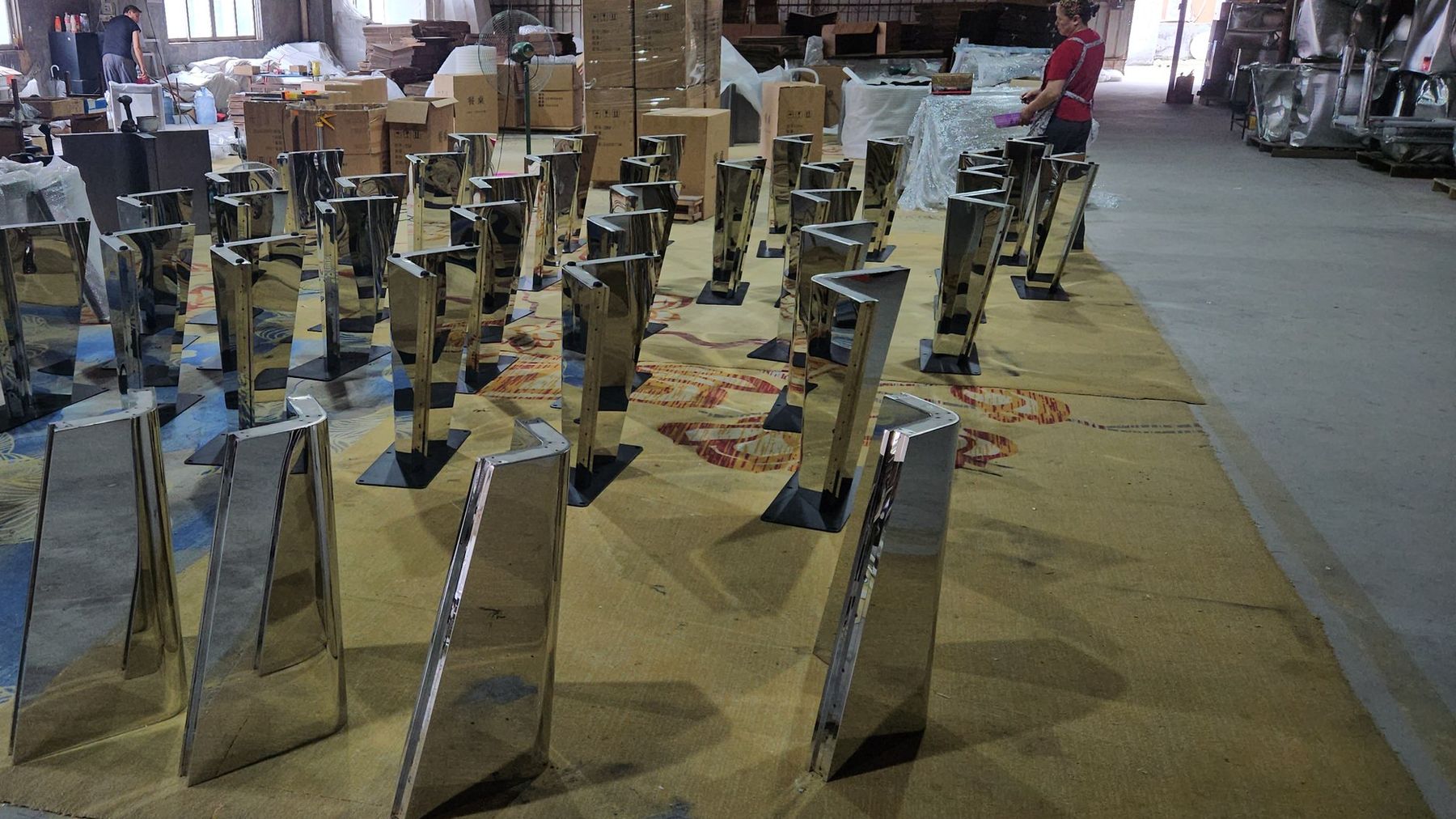
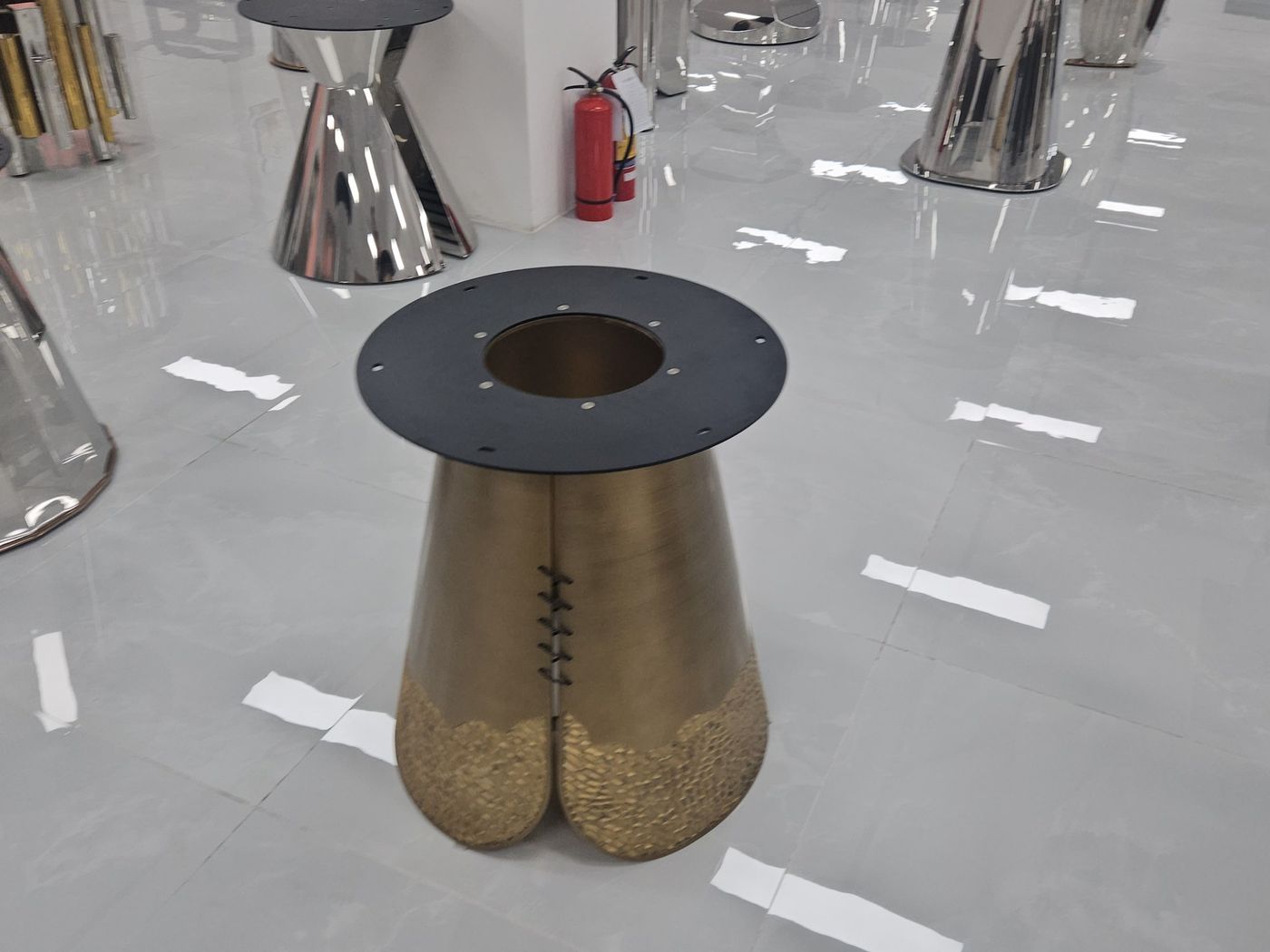
Sheet is profiled on the laser and pressed to shape; frames are welded, ground and polished; finishes are powder coat, brushed, polished or a patina. Metal is what holds stone up, and it is where furniture quietly fails, so the joint is drawn and not improvised.
How it runs
Six steps, and you see every one of them.
Nothing is cut before the drawing is approved, and nothing is crated before it has been checked against that drawing.
01
Brief
A drawing, a file, a photograph or a piece schedule. We come back with what we can make from it, what we would change, and what we cannot do.
02
Drawing
A shop drawing for approval: every part, every material, every joint, every tolerance. This is the version that gets signed.
03
Material
For stone, photographs of the actual block and the slab layout before a cut is made. For timber, the board. For metal, the finish sample.
04
Prototype
One piece made and photographed. A change here is cheap; a change after a batch has started is not.
05
Production
The batch: cut, machined, fabricated, finished, assembled.
06
Inspection and dispatch
Pieces dry-laid together, checked against the drawing, photographed, then crated. The crate is photographed before the lid goes on.
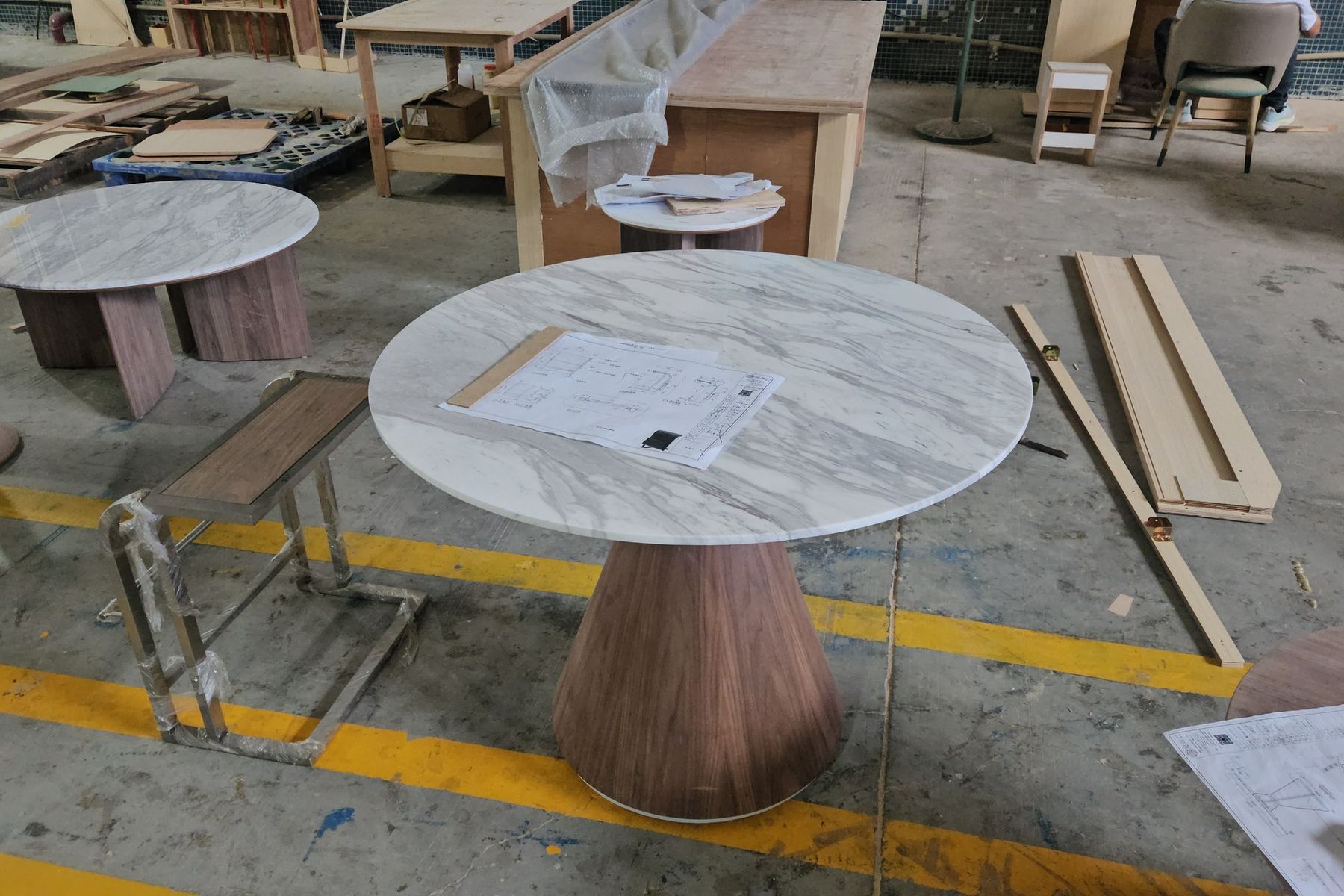
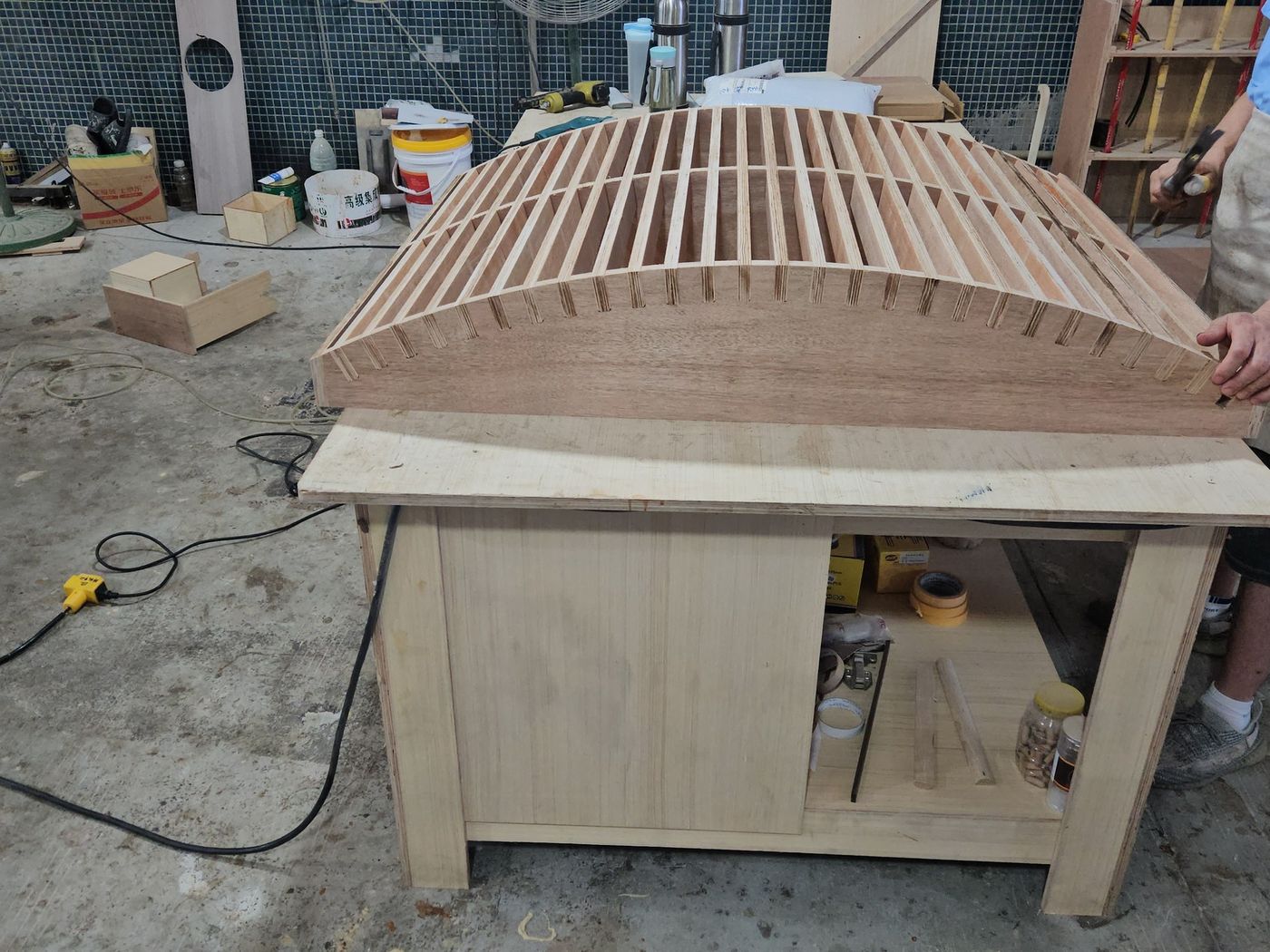
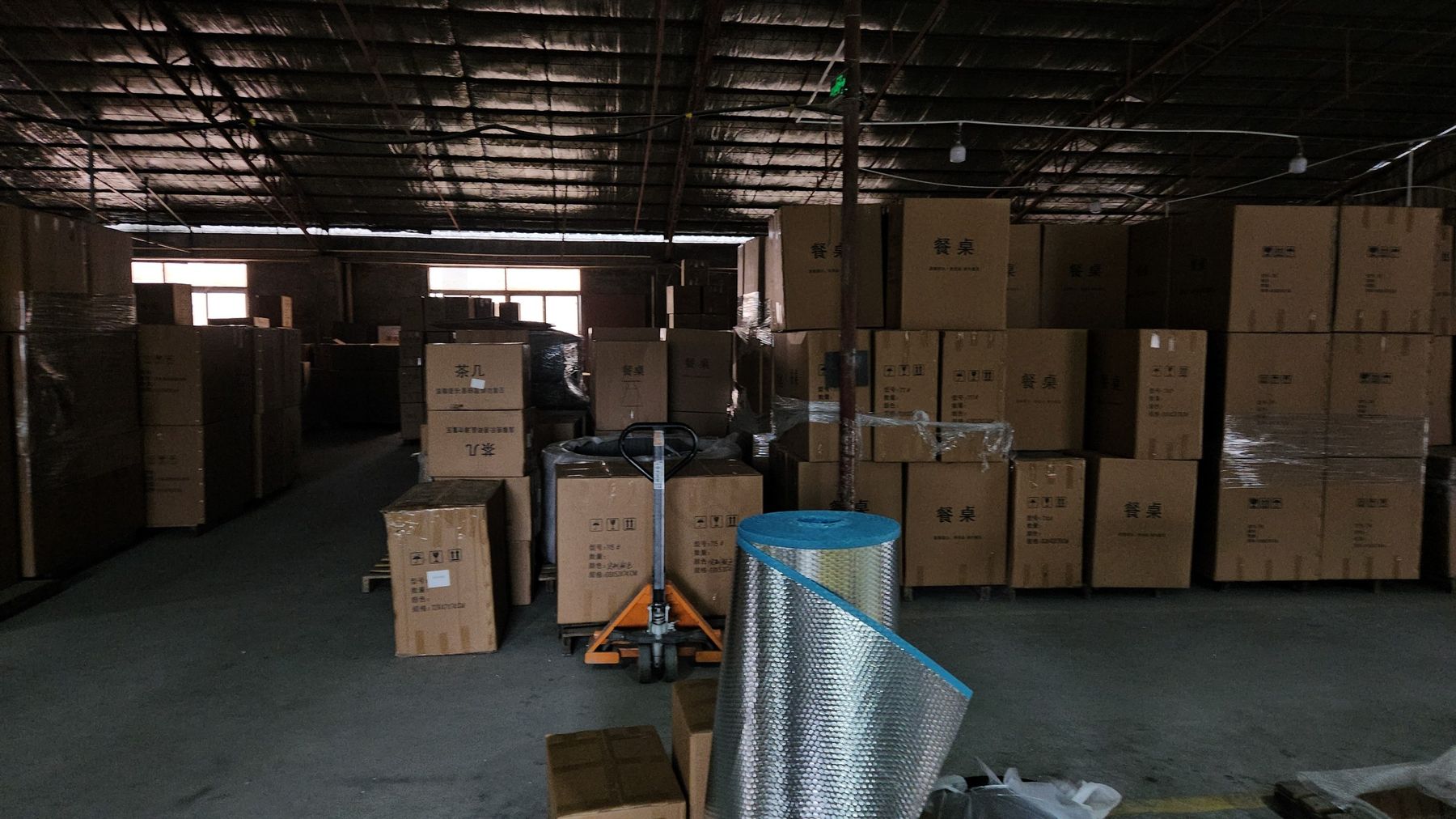
In the workshop
The workshop, as it is.
Four films from the floor. They are not styled, they carry no commentary and they have no sound. What is on the screen is the work.
Filmed in our own workshops in Shuitou and at the metal works. The people in these films are at work and are not identified.
How we work with you
Six ways to work with us, and what stays yours in each.
OEM
You send the drawing and the material. We build to it: your name on the invoice, your finish, your packaging, your barcode, your label.
ODM
You send the brief. We propose the material, the structure and the finish, and revise until it is right. The result is yours to sell under your own name.
B2B
Wholesale to dealers, designers and studios, from the published collection, cut to order.
B2C
Direct to the end buyer, through your own storefront or through ours.
E-commerce supply
Supply for online marketplaces and direct-to-consumer stores: packed to your brand, barcoded, shipped as single units or as sets, with the documentation a platform asks for.
Brand authorised production
We manufacture under your brand. Your drawings stay yours, your models are not offered to anyone else, and nothing about the project is used in our marketing.
Confidentiality
Everything about your project stays inside the project.
A mutual non-disclosure agreement is signed before drawings are exchanged. We sign yours or ours, whichever your counsel prefers.
- Jigs, fixtures and any tool made for a piece belong to the client once they are paid for, and they stay in our workshop for that client alone.
- Photographs taken on our floor are not published, and a factory visit is not photographed for marketing.
- A piece made under your brand is not shown in our collection and is not offered to another buyer.
- Nothing about your project appears in our marketing, our social accounts or our references without your written permission.
- Your drawings, files and models are returned or destroyed on request when the order closes.
Straight answers
What a buyer asks us first.
These are the questions that decide whether a workshop is worth a trial order. Here are our answers before you have to ask them.
Will you sell my model to anyone else?
No. A piece made under your brand is not offered to another buyer, not shown in our collection, and not used in our marketing. That is a term in the agreement, not a courtesy.
Who owns the tooling?
You do. Jigs, fixtures and any tool made for your piece are yours once they are paid for, and they are used for your orders only.
What if the block is not like the sample?
It is sent to you before cutting, with photographs and the slab layout. You approve the block, or we open another one. We do not cut on the assumption that it will be close enough.
How do you hold a tolerance on a long top?
Tolerances are written into the drawing and checked at inspection against that drawing, not against a general standard. If the drawing is not specific enough, we say so before the piece is made.
Can you keep a date?
We will give you a date and tell you early if it moves. We publish no lead times, so any date you are given is one somebody has looked at.
What will you not put in writing?
We do not publish prices, lead times or minimum order quantities, because they depend on the stone and the piece. We do not claim a certification we cannot document. What we will do is quote you against a drawing, in writing, and tell you exactly what we have not tested.
Work with us
Start with a drawing.
Send a drawing, a file, a photograph of a piece you like, or a piece schedule. We will tell you what we can make from it, what we would change, and what it would take. If we are not the right workshop for the piece, we will say that too.
- Two hundred and fifty-eight
- pieces in the published collection, each cut to order
- 62
- stones in the catalogue
- Three
- materials cut, machined and fabricated under one order
- Shuitou
- Guangdong, China — where the stone is cut
A reply comes from the workshop, not from a queue.
From the collection
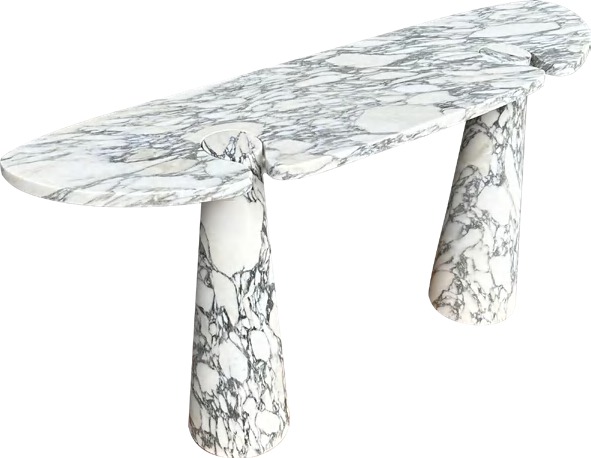
Pieces cut by this workshop
Every piece in the collection is cut to order, from a stone chosen for that piece, and listed with its size and its item code.


Email info@moreonyx.com.
Trade and specification enquiries are answered by the production team, MOREONYX INDUSTRY.